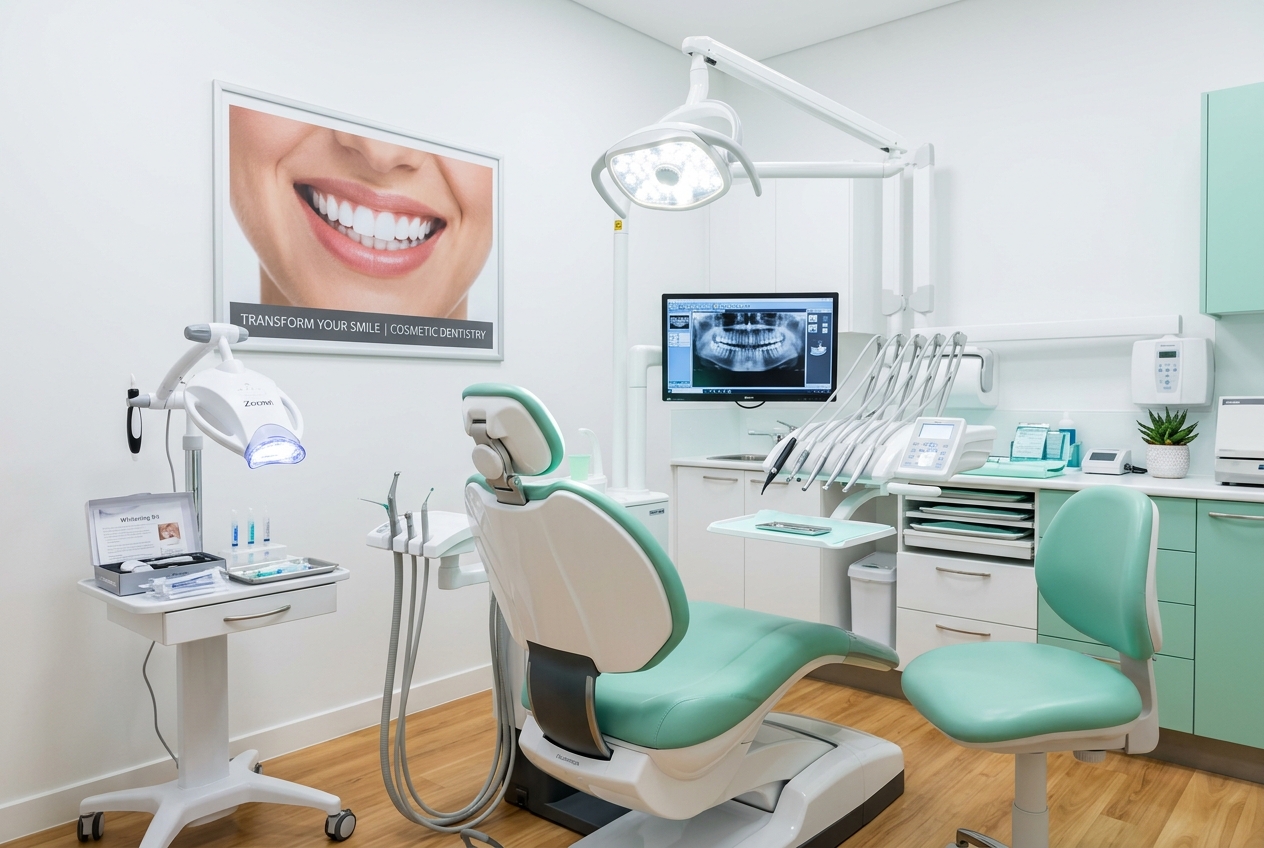
Here is something that surprises a lot of dental students: there is no such thing as a "cosmetic dentistry" specialty in Australia. Unlike orthodontics or prosthodontics, you cannot get specialist registration in cosmetics. Any registered general dentist can offer cosmetic procedures.
This is both an opportunity and a challenge. The opportunity is that you do not need years of specialist training to start offering cosmetic services. The challenge is that building genuine expertise—and a reputation to match—takes time and deliberate effort.
Start with your dental degree
First things first: you need to be a registered dentist. That means completing an accredited dental program (Bachelor of Dental Surgery or Doctor of Dental Medicine) at an Australian university, which typically takes five to six years. After graduation, you register with AHPRA and the Dental Board of Australia.
Get your foundations right
Most experienced cosmetic dentists recommend spending two to three years in general practice before focusing heavily on cosmetics. This might feel like a detour, but it is not.
During this time, you are mastering restorative dentistry fundamentals, developing your eye for aesthetics through everyday cases, learning to communicate with patients about their expectations, and understanding occlusion and how teeth function together. These skills underpin everything you will do in cosmetic work later.
Build your cosmetic skills
Since there is no formal specialty pathway, your training comes through postgraduate courses and mentorships. There are two broad approaches:
Short courses (one to five days) focus on specific skills: teeth whitening certification, composite bonding workshops, veneer preparation techniques, or smile design masterclasses. These give you practical skills you can apply immediately.
Longer programs (six to twenty-four months) provide deeper training. Options include graduate diplomas in clinical dentistry with an aesthetic focus, structured mentorship programs with experienced cosmetic dentists, or international certifications from bodies like the American Academy of Cosmetic Dentistry.
Most cosmetic dentists combine both approaches—building foundational knowledge through longer programs while continually adding specific skills through short courses.
Procedures you will need to master
A well-rounded cosmetic dentist should be proficient in teeth whitening (both in-chair and take-home systems), porcelain veneers (preparation, temporisation, and bonding), composite bonding and layering techniques, digital smile design and mock-ups, gum contouring using laser or surgical techniques, clear aligners like Invisalign, and implants for aesthetic zone restorations.
You do not need to master everything at once. Many dentists start with whitening and bonding, then gradually expand into veneers and more complex cases as their confidence grows.
Building your reputation
Success in cosmetic dentistry depends heavily on reputation and word-of-mouth referrals. Some practical steps:
Document your cases meticulously with before-and-after photos (with patient consent). Invest in quality dental photography equipment—consistent, professional images are essential for marketing. Build an Instagram portfolio showcasing your work. Encourage Google reviews from happy patients. Consider joining professional bodies like the Australian Academy of Dento-Facial Aesthetics.
What you can earn
Cosmetic dentists in Australia typically earn between $180,000 and $400,000 or more annually, depending on location, reputation, and case volume. High-end practices in capital cities often command premium fees for smile makeovers. But it takes time to build to those levels—expect a gradual increase as your reputation grows.
Common questions
Is there a specialist qualification for cosmetic dentistry?
No. The Dental Board of Australia does not recognise cosmetic dentistry as a specialty. Any registered general dentist can provide cosmetic procedures.
How long does it take to become a cosmetic dentist?
After your five to six year dental degree, most dentists spend two to five additional years building their cosmetic skills through courses, mentorships, and practice.
Can I advertise myself as a cosmetic dentist?
Yes, but you must follow AHPRA advertising guidelines. You cannot claim to be a "specialist" unless you hold recognised specialty registration.
What courses should I start with?
Begin with composite bonding and teeth whitening courses, then progress to veneers and smile design. Check our course listings for upcoming training.