Dental Seminar Promotion Guide
A comprehensive playbook for marketing dental CPD seminars, workshops, and educational events to maximise attendance and impact.
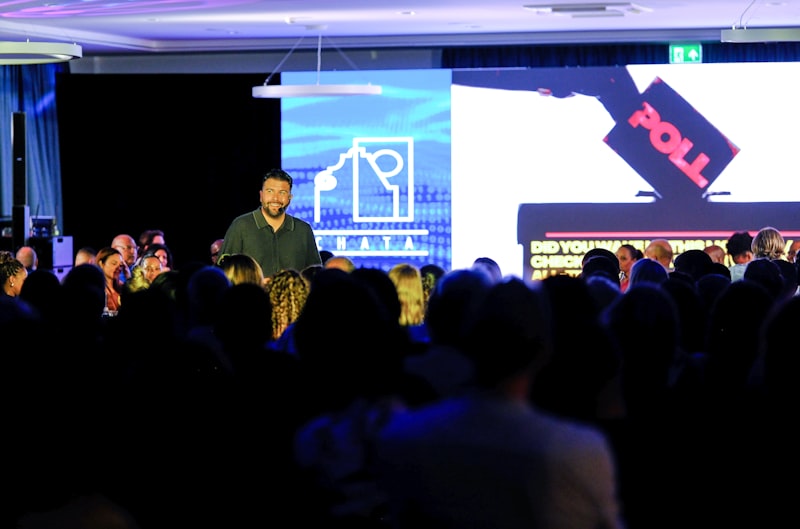
Promoting a dental seminar effectively requires strategic planning, multi-channel outreach, and consistent execution over an appropriate timeframe. Whether you're organising a half-day workshop for twenty practitioners or a major conference attracting hundreds, the fundamental principles of event promotion remain similar. This guide provides a comprehensive framework for planning and executing seminar promotion campaigns that fill seats and create meaningful educational experiences.
Planning Your Promotion Timeline
Successful seminar promotion begins well before you start actively marketing. For major events, begin planning your promotional strategy at least four to six months before the event date. Smaller workshops may require less lead time, but even these benefit from at least eight to twelve weeks of promotional runway. This timeline allows you to build awareness progressively, leverage early bird incentives, and adjust tactics based on initial response.
Map out your promotional calendar with specific milestones: announcement date, early bird deadline, speaker spotlights, reminder sequences, and last-call campaigns. Having a documented timeline keeps your marketing efforts organised and ensures you don't miss critical communication windows. Build in contingency time for unexpected challenges—venue changes, speaker cancellations, or slower-than-expected registration uptake.
Crafting Compelling Event Messaging
Your event messaging must clearly communicate what makes your seminar worth attending. Start with a compelling event title that immediately conveys the topic and value proposition. Follow with a description that emphasises practical outcomes—what will attendees be able to do differently after participating? What problems will they be better equipped to solve? What opportunities will they be positioned to capture?
Highlight your speakers' credentials and expertise in ways that establish credibility and create anticipation. Include quotes or key takeaways that preview the content quality. If speakers have published research, held leadership positions, or have notable clinical achievements, feature these prominently. For returning events, incorporate testimonials from past attendees that speak to the quality and impact of previous editions.
Key Promotion Channels
Dental CPD directories and course aggregators
State dental association newsletters and websites
Dental industry publications and magazines
Targeted email campaigns to your database
LinkedIn professional networking and groups
Facebook dental community groups
Speaker networks and personal outreach
Dental supplier and sponsor channels
University dental school announcements
Study club meeting presentations
Email Marketing for Events
Email remains the most effective direct marketing channel for dental CPD events. Your email sequence should include an initial announcement that generates excitement and establishes key details, followed by content-focused emails that dive deeper into specific speakers, topics, or learning outcomes. Send reminder emails as early bird deadlines approach and as the event date nears.
Segment your email lists to deliver more relevant messaging. Recent graduates might respond to different value propositions than established practice owners. Specialists may be interested in advanced technique sessions while general practitioners might prioritise breadth of coverage. Geographic segmentation helps you emphasise convenience for local attendees or the destination appeal for those travelling.
Optimise email subject lines through testing. Questions, numbers, and urgency indicators typically improve open rates. Ensure your emails render well on mobile devices, as many dental professionals check email between patients on their phones. Include clear, prominent calls-to-action that link directly to your registration page—don't make recipients search for how to sign up.
Pricing and Early Bird Strategies
Strategic pricing supports both revenue goals and promotional objectives. Early bird discounts create urgency and reward committed registrants while helping you gauge demand early in your campaign. Typical early bird discounts range from ten to twenty percent off the standard rate, with clear deadlines that create decision-making pressure.
Consider tiered pricing that offers additional value at higher price points. Premium tickets might include workshop materials, exclusive networking opportunities, or extended access to speakers. Group discounts encourage practices to send multiple team members, while member pricing for association partners can drive registrations through established channels. Always ensure your pricing structure is simple enough to communicate clearly in promotional materials.
Leveraging Speakers and Partners
Your speakers are powerful promotional assets. Provide them with ready-to-share content including social media graphics, email templates, and key messaging points. Many speakers have substantial professional networks and can drive significant registrations through their personal outreach. Make it as easy as possible for them to promote the event by supplying all necessary materials.
Sponsors and partners extend your promotional reach further. Negotiate promotional commitments as part of sponsorship packages—mentions in company newsletters, social media posts, or sales team outreach. Educational partners like universities and associations can provide credibility endorsements alongside promotional support. These partnerships multiply your marketing efforts without proportionally increasing your marketing budget.
Measuring and Optimising Performance
Track registration sources to understand which promotional channels deliver the best results. Use unique tracking links or registration codes for different campaigns to attribute conversions accurately. Monitor registration velocity—how quickly seats are filling—to gauge whether you need to intensify promotional efforts or can ease back on spending.
Analyse email campaign metrics including open rates, click-through rates, and conversion rates. Low open rates suggest subject line issues; low click-through rates indicate content or call-to-action problems. Test different approaches and iterate based on data. Social media engagement metrics and website traffic patterns provide additional insight into what's resonating with your target audience.
After the event, conduct a thorough post-mortem on your promotional campaign. Which channels delivered the most registrations per dollar spent? What messaging generated the strongest response? What would you do differently next time? Document these learnings to continuously improve your event marketing effectiveness for future seminars.